Plaster Repair 101: What Is It?
Why Does It Crack? When to Call the Pros?
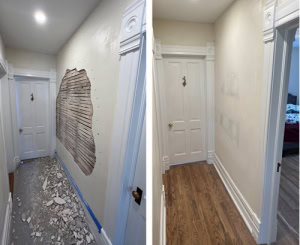 Plaster plays a key role in the construction of just about any type of building thanks to its exceptional durability and versatility, not to mention its ability to lend a polished look to the final result. That being said, this material is far from invincible and can definitely start to show signs of wear, tear, and age. Understanding the basics when it comes to this common building material can help you determine when to call in the pros for plaster repairs.
What Is Plaster?
First, let’s take a look at what exactly this building material is made of and how it is used to gain insights into when and why plaster repairs may be necessary. In broad terms, plaster is a mix of lime, gypsum or cement, and water. When wet, it is applied to a base and then dries over time to form a hard and smooth surface.
Plaster allows for plenty of decorative finishes and moldings and can also leave walls looking seamless, offering infinite possibilities for customization. As a result, it’s a common choice thanks to its aesthetic appeal as well as its durability.
That being said, plaster needs to be cared for properly. If cracks or other types of damage start to appear, repairs are a must to stop further issues from taking hold that could negatively affect the structural integrity and appearance of the plaster.
Why Does Plaster Crack?
Even though plaster is quite strong, it is still susceptible to cracking, especially as it ages. Here are a few reasons why you may notice cracks in plaster:
- Structural settling. It’s natural for buildings to settle, which can cause changes in plaster. For example, your home may start to shift due to temperature changes, foundation settling, or changes in the environment. Any of these sources of movement can put stress on the plaster and lead to cracking.
- Exposure to moisture. Plaster as a material is also quite vulnerable to moisture. If your roof begins to leak, you experience plumbing issues, or there are high levels of humidity in the air, plaster may begin to weaken, followed by crumbling, bubbling, and cracking.
- Aging. Plaster becomes increasingly brittle with time, and hairline cracks are a telltale sign showing the age of this material.
When to Call the Pros for Plaster Repairs
Wondering if you should attempt to patch plaster cracks on your own or call on a professional plaster repair service? Don’t hesitate to reach out to The Patch Boys in any of the following situations:
Large Cracks
Deep or broad cracks are often indicative of underlying structural issues that can’t be resolved with surface-level repairs. Rather than trying to patch over the problem, have an experienced team handle it.
Water Damage
Like plaster that has large cracks, plaster that has been damaged by moisture needs more than a cosmetic fix. Professionals can replace the compromised areas and restore the surface appearance of your plaster to give you peace of mind about its longevity.
Special Designs or Textures
If your plaster is textured and you spot minor or major cracks, you’ll need the help of a team with specialized texture matching skills. That way, you can rest assured that repairs will blend seamlessly with the surrounding area and won’t stand out as an eyesore.
Reach Out to The Patch Boys Today for Plaster Repairs
Searching for plaster repair specialists? Consider The Patch Boys your go-to team. Not only are we well-versed in the intricacies of conducting large and small repairs, including on textured surfaces, but we also have the tools to get the job done right and provide a professional-looking finish.
Don’t allow damaged plaster to affect the structure or beauty of your home! Simply connect with the experts at The Patch Boys today to schedule plaster repair services for a straightforward approach to remedying any plaster issues you may be facing. Call 1-844-99-PATCH for details.